

Introduction
Cultured stone pillars have long been admired for their timeless elegance and ability to enhance the aesthetic appeal of any architectural design. These pillars are crafted to replicate the look and feel of natural stone, providing a durable and versatile option for both interior and exterior applications. In this article, we will explore the history, production process, benefits, and popular uses of cultured stone pillars, highlighting their enduring beauty and practicality in modern construction and design.
History of Cultured Stone Pillars
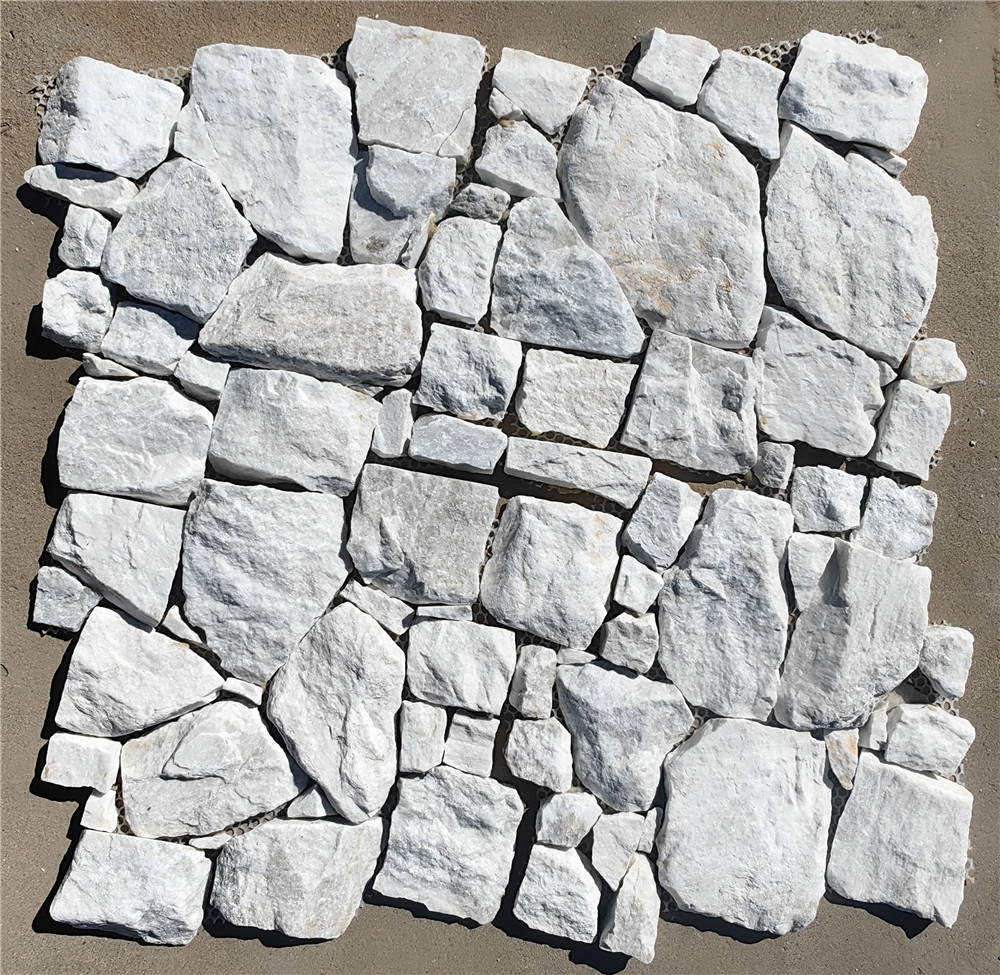
The use of stone pillars in architecture dates back thousands of years, with early civilizations such as the Egyptians, Greeks, and Romans incorporating these structural elements into their buildings. Natural stone pillars were not only prized for their strength and durability but also for their decorative qualities, often featuring intricate carvings and embellishments.
As architectural styles evolved over the centuries, the demand for stone pillars remained strong, but the cost and logistical challenges of sourcing and transporting natural stone became increasingly prohibitive. This led to the development of cultured stone, a man-made alternative that offered the look and feel of natural stone at a fraction of the cost.
The production of cultured stone pillars began in the 20th century, with advancements in materials technology allowing for the creation of high-quality replicas that closely mimicked the appearance of natural stone. Today, cultured stone pillars are a popular choice for architects, builders, and homeowners looking to add a touch of elegance and sophistication to their projects.
Production Process of Cultured Stone Pillars
The production of cultured stone pillars involves a meticulous process that combines natural materials with modern manufacturing techniques to create durable and realistic-looking replicas of natural stone. The key steps in the production process include:
1. Material Selection: Cultured stone pillars are typically made from a blend of cement, aggregates, and iron oxide pigments. These materials are carefully selected to mimic the color, texture, and appearance of natural stone.
2. Molding and Casting: The selected materials are mixed together to form a slurry, which is then poured into molds that are designed to replicate the shape and size of the desired pillar. The molds are often made from silicone or other flexible materials that can capture intricate details and textures.
3. Curing and Finishing: Once the slurry is poured into the molds, it is allowed to cure and harden over a period of time. After stepping stones are removed from the molds, they undergo a finishing process that may include sanding, polishing, and sealing to enhance their appearance and durability.
4. Installation: Cultured stone pillars are typically installed using mortar or adhesive, depending on the application and design requirements. Proper installation is essential to ensure the structural integrity and longevity of the pillars.
Benefits of Cultured Stone Pillars
Cultured stone pillars offer a wide range of benefits that make them a popular choice for architects, builders, and homeowners alike. Some of the key benefits of cultured stone pillars include:
1. Cost-Effective: Cultured stone pillars are more affordable than natural stone, making them a cost-effective option for projects with budget constraints. Despite their lower cost, cultured stone pillars can provide the same aesthetic appeal as natural stone.
2. Versatility: Cultured stone pillars come in a variety of shapes, sizes, and styles, allowing for greater design flexibility and customization. Whether used in traditional, contemporary, or rustic designs, cultured stone pillars can complement a wide range of architectural styles.
3. Durability: Cultured stone pillars are highly durable and resistant to weathering, fading, and damage from environmental factors. This durability makes them suitable for both interior and exterior applications, where they can withstand the test of time with minimal maintenance.
4. Ease of Installation: Cultured stone pillars are lightweight and easy to install, requiring less labor and time compared to natural stone. This ease of installation can result in cost savings and faster project completion, making cultured stone pillars a practical choice for construction projects.
5. Eco-Friendly: Cultured stone pillars are often made from recycled materials and require less energy and resources to produce than natural stone. This eco-friendly aspect makes cultured stone pillars a sustainable option for environmentally conscious builders and homeowners.
Popular Uses of Cultured Stone Pillars
Cultured stone pillars are a versatile architectural element that can be used in a variety of applications to enhance the visual appeal and structural integrity of a building. Some of the popular uses of cultured stone pillars include:
1. Exterior Facades: Cultured stone pillars are commonly used as decorative accents on the exterior of buildings, adding a touch of sophistication and elegance to entryways, porches, and facades. These pillars can be installed as standalone columns or integrated into architectural features such as archways and porticos.
2. Interior Columns: Cultured stone pillars can also be used to create interior columns that serve as both decorative and structural elements in a space. These columns can be installed in living rooms, dining areas, and foyers to add a sense of grandeur and sophistication to the interior design.
3. Garden and Landscape Features: Cultured stone pillars are a popular choice for creating garden and landscape features such as pergolas, trellises, and arbors. These pillars can provide structural support for climbing plants, shade structures, and outdoor seating areas, enhancing the beauty and functionality of outdoor spaces.
4. Fireplace Surrounds: Cultured stone pillars are often used to create fireplace surrounds that add warmth and character to living rooms and family rooms. These pillars can be designed to complement various styles of fireplaces, from traditional to contemporary, and can be customized to match the overall decor of the space.
5. Commercial Buildings: Cultured stone pillars are widely used in commercial buildings such as hotels, restaurants, and retail establishments to create a sense of luxury and sophistication. These pillars can be incorporated into the design of lobbies, entrances, and outdoor spaces to make a lasting impression on visitors and customers.
Conclusion
Cultured stone pillars are a versatile and durable architectural element that can enhance the aesthetic appeal and structural integrity of any building. With their cost-effective pricing, design flexibility, and eco-friendly properties, cultured stone pillars have become a popular choice for architects, builders, and homeowners looking to add a touch of elegance and sophistication to their projects. Whether used in exterior facades, interior columns, garden features, fireplace surrounds, or commercial buildings, cultured stone pillars continue to be admired for their timeless beauty and practicality in modern construction and design.